Are You Attracting Pests With Your Landscaping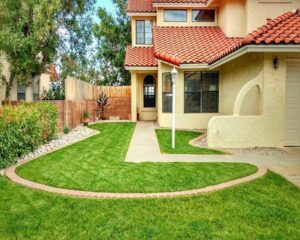
When most people think about pest problems, they picture crumbs on the kitchen counter or an open trash can. But honestly? Your yard is the first line of defense—or the first invitation—for critters. And yes, how you design and maintain your landscaping can attract pests… or Repel Pests.
Your Yard Is Basically a Welcome Mat
Let’s be real, your landscaping isn’t just for you to enjoy. Birds, bugs, rodents, and even snakes will take note of what you’ve got going on. Dense shrubs? It could be a perfect nesting site. Overripe fruit on the ground? Free buffet.
I’ve seen it over and over homeowners unknowingly setting up the perfect pest habitat. And then they wonder why the ants keep marching in or why they have to call for termite treatment twice in one summer. Sometimes it’s not about what’s happening inside the home, but what’s happening outside.
Plants That Attract Trouble
Some plants are like magnets for pests. Sweet-smelling flowers, fruit trees, and certain dense evergreens can create an environment where pests thrive. If your goal is to Repel Pests, you’ll want to think twice about where you put these (or if you plant them at all).
For example:
- Fruit Trees – Great for fresh fruit, bad for attracting ants, wasps, and fruit flies.
- Dense Hedges – Perfect for privacy, but also perfect for rodents to hide in.
- Flowering Vines – Can bring beauty, but also harbor aphids and beetles.
I once worked with a client who had a gorgeous row of hibiscus along the side of their yard. Beautiful in summer. But by August? They were a full-on aphid and whitefly nursery.
Plants That Actually Repel Pests
On the flip side, some plants naturally Repel Pests—or at least discourage them. The key is choosing ones that either produce scents pests dislike or create an environment that’s less appealing.
A few classics:
- Lavender – Smells great to us, but moths, fleas, and mosquitoes hate it.
- Marigolds – Known for repelling aphids, mosquitoes, and even nematodes in the soil.
- Mint – Rodents and ants aren’t fans (but plant it in a pot unless you want it taking over).
- Basil – Great for cooking, but also deters flies and mosquitoes.
The trick is strategic placement—near entry points, along walkways, or in outdoor seating areas where pests might otherwise gather.
Mulch, Rock, or Something Else?
Your ground cover matters more than you might think. Certain mulches—especially wood-based ones—can attract termites or carpenter ants if used too close to the home’s foundation.
If you want to repel pests while protecting plant roots, consider alternatives like rubber mulch or stone near the house. Use wood mulch farther out in the yard where it won’t be an open invitation to pests that can damage your home.
Water: Friend to Plants, Friend to Pests
Standing water is a big one. Mosquitoes can breed in as little as a bottlecap’s worth of water. Birdbaths, clogged gutters, and poorly draining soil can all become pest hot spots.
I had a neighbor who loved their decorative pond. It was beautiful, but by mid-summer, you couldn’t sit outside without a cloud of mosquitoes. They eventually added a small pump to keep the water moving and introduced some mosquito-eating fish—problem solved. A smart move if you’re trying to Repel Pests without losing the beauty of water features.
Maintenance Is Just as Important as Plant Choice
Even the most pest-repelling landscaping can turn into a pest magnet if you don’t maintain it. Overgrown grass, untrimmed shrubs, and piles of yard debris are like pest hotels—no vacancy signs don’t exist in their world.
Regular trimming, raking, and clearing out fallen fruit or dead plants go a long way. If your goal is to Repel Pests, you can’t just plant the right things—you have to keep them in good shape.
Lighting and Pests
This one surprises people. Certain outdoor lights attract insects—especially bright white or blue-spectrum bulbs. If you’re trying to enjoy your yard in the evening without a swarm, switch to yellow “bug” lights. It’s not that they truly Repel Pests, but they don’t draw them in like a spotlight at a rock concert.
My Personal Landscaping “Pest Lesson”
Years back, I planted a row of jasmine along my fence line because I loved the smell. Within two seasons, I had a constant battle with scale insects and ants farming them. I eventually pulled most of it out and replaced it with rosemary and lavender. Not only did it smell great, but it actually helped Repel Pests—and it looked good year-round. Lesson learned the hard way.
The Bottom Line
Yes, your landscaping choices can attract pests or Repel Pests depending on how you plan and maintain it. Think about plant types, placement, water management, ground cover, and maintenance routines. Small adjustments outside can make a big difference in keeping pests from making their way inside.
At the end of the day, a yard that looks beautiful and discourages pests is totally doable. It just takes a little planning, a bit of ongoing effort, and sometimes the willingness to swap out something pretty for something practical.
Because trust me—once you’ve had to deal with a full-blown pest problem that started in your landscaping, you’ll look at that “perfect” plant or that pretty mulch a whole lot differently.